Forex Factory provides real-time economic data, market news, and trading forums for forex traders worldwide
Forex Factory is being highlighted again as a central infrastructure point for currency traders, with eciks.org reporting that the platform provides real-time economic data, market news and trading forums to a global FX audience.
Rebecca Jennings·updated July 15, 2026
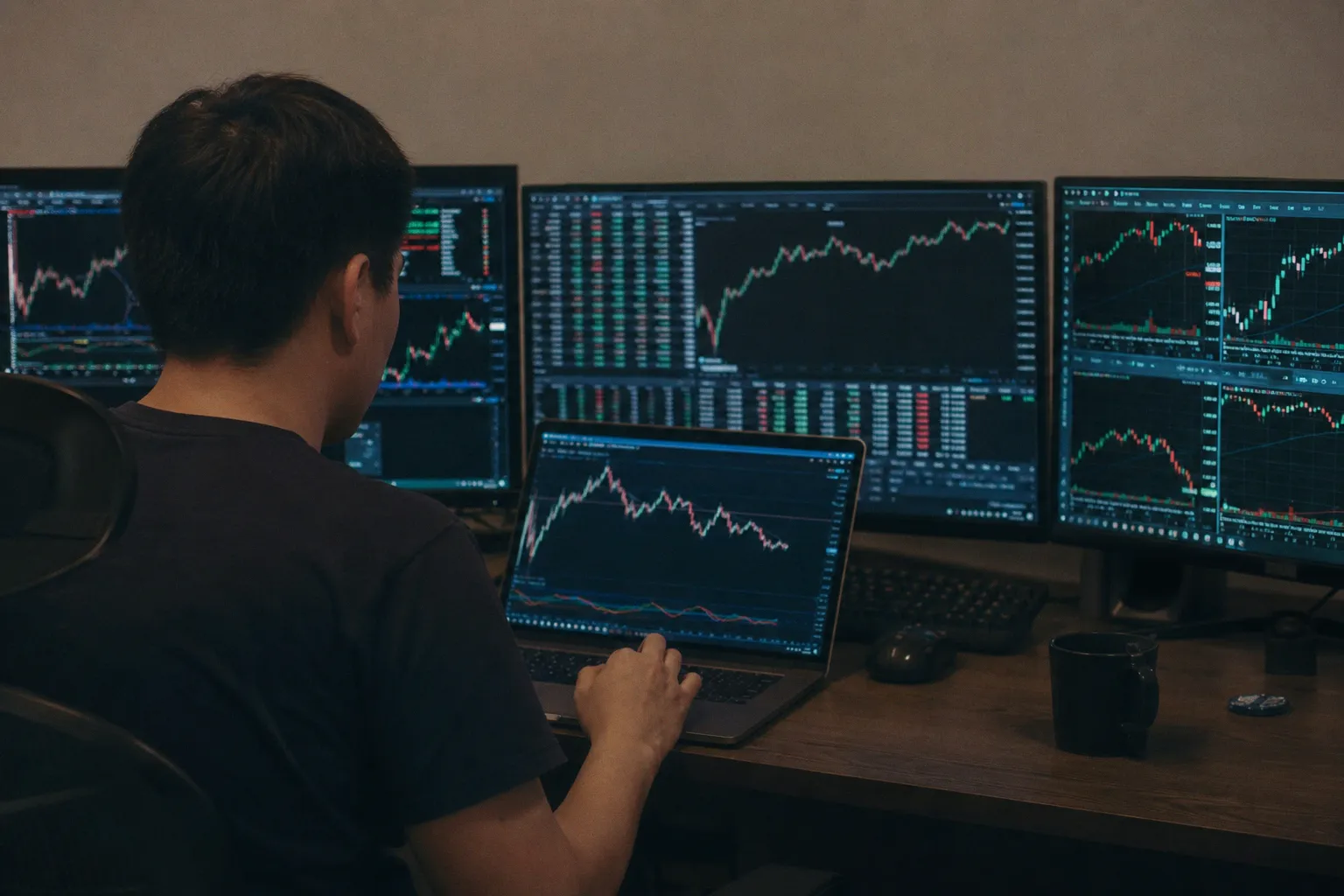
Calendar data remains the core trading utility
According to the report, Forex Factory was founded in 2004 by Dimitri Kanellopoulos and is based in Tampa, Florida. The platform is described as offering real-time data, charts, news and market intelligence, with its economic calendar positioned as the main draw for traders monitoring scheduled macro releases.
The calendar covers employment reports, inflation data, central bank decisions and GDP figures. Events are ranked by impact level and shown with historical, forecast and actual values. The practical implication is straightforward: we are dealing with a tool designed around the moment when yield differentials can reprice quickly, liquidity can thin, and short-term capital flows can swing across major pairs.
The report also says the calendar syncs with user time zones and remains free to access without registration. That matters operationally. A missed time-zone adjustment around a policy decision or inflation print can turn a planned position into an unintended exposure, especially when spreads widen or price gaps through nearby levels.
Forums and performance tools add signal — and noise
Beyond the calendar, Forex Factory is reported to host active forums where traders exchange strategies, analysis and market research. It also includes a Trade Explorer tool that allows users to track and share live trading performance, while its news section curates forex-focused market updates.
For currency traders, the value here is not that forum consensus should become a trade signal. It should not. The value is in seeing how positioning narratives form around scheduled data: whether traders are focused on a hawkish central-bank pivot, a weakening growth impulse, or a cross-rate story such as EUR/TRY, which FOREX.com separately lists through its EUR/TRY chart and rate page.
We should treat those discussions as market colour, not as a substitute for a macro view. In a low-volatility environment, the temptation is to overfit small ranges and chase marginal setups. Community commentary can help identify what others are watching, but the execution framework still has to be anchored in release timing, liquidity absorption and the pair’s sensitivity to rates, commodities or risk sentiment.
What to monitor before the next data window
The report says Forex Factory introduced live calendar data in 2023, bringing real-time updates directly to the platform. It also says the service has a mobile app for iOS and Android, delivering calendar events, news and market data while traders are away from their desks.
That places the platform in the same practical category as other execution-adjacent tools: useful when it reduces latency in decision-making, dangerous when it encourages impulsive reaction to every headline. We would use it to map the week’s high-impact releases, mark the relevant currency pairs, and define where exposure should be reduced before the data rather than rationalized after the move.
There is also a compliance reminder in the background. Investment Executive reported that the ASC sanctioned a pair in failed forex trading. The snippet does not provide details, but the headline is enough to reinforce a basic point for this market: data access, charts and forums do not remove the need to verify counterparties, understand broker terms and separate regulated services from informal trading claims.
For the next sessions, the key levels are less about any single chart print and more about process: identify the data releases most likely to shift yield differentials, monitor whether low volatility is compressing ranges into the event, and avoid treating post-release spreads as normal liquidity. Forex Factory may be a useful hub in that workflow, but the edge remains in how disciplined we are when the calendar turns from information into price.